Liquid Spirit Gozo 2026
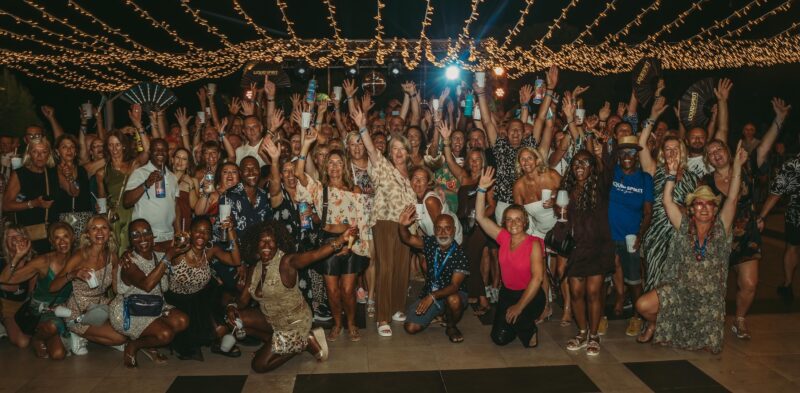
Locals Are Invited: Join Liquid Spirit Gozo 2026 With 50% Off Liquid Spirit Gozo is back this September, and this

Andrea is the Founding Editor at GITH. Find her on instagram @andreabritton or send stories to [email protected].
Austin Camilleri’s new sculpture “WIEĦED” at Ras ir-Reqqa on the Xwejni Salt Pans, has sparked strong reactions across Gozo and beyond. Some people see beauty, imagination and symbolism. Others question its placement, impact on the landscape, or whether contemporary public art belongs in spaces like this at all.
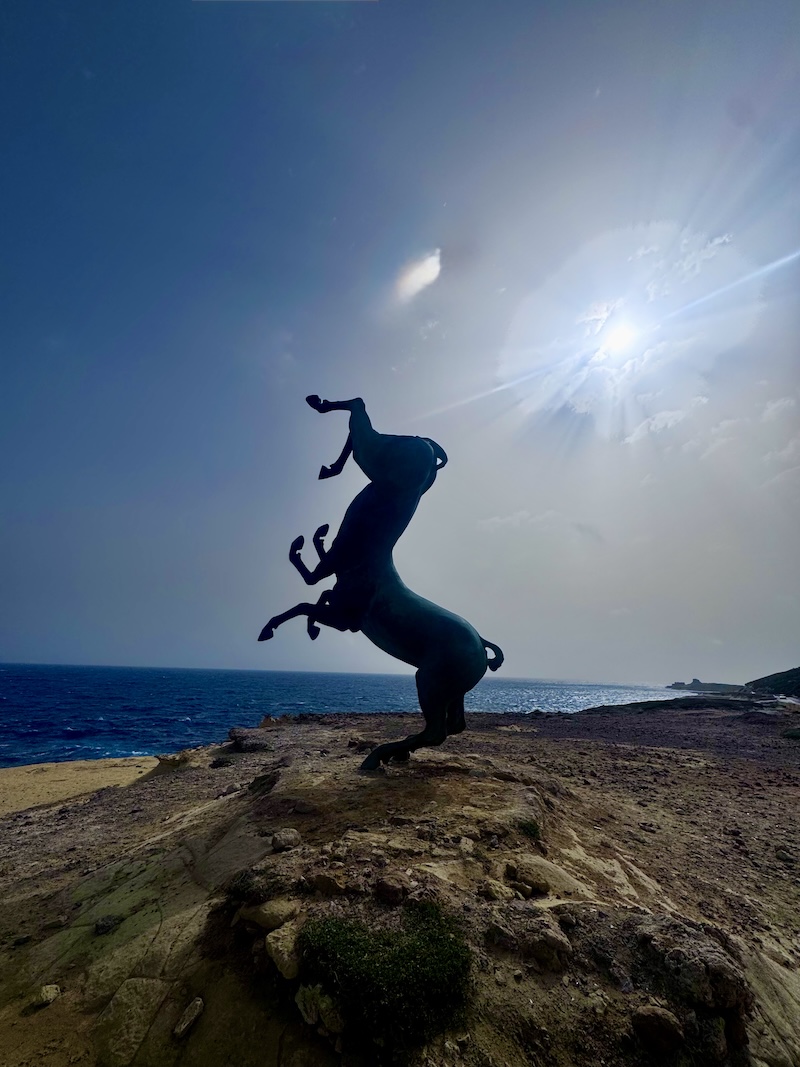
Camilleri is one of Malta’s most internationally recognised contemporary artists, with work exhibited across Europe, America and Asia. His practice spans sculpture, installation, painting, video and architectural intervention, often exploring the relationship between human beings, nature, spirituality, politics and environmental sensitivity. Seen through that lens, it is understandable why this piece was never likely to pass quietly unnoticed. This particular piece was selected via an open call for Public Art by the Ministry for Gozo, and commissioned in 2023.
For any artist, having a large-scale public work installed in a location as iconic as the Xwejni salt pans is significant. It is vulnerable too. Public art enters shared space. Once it is placed there, it no longer belongs solely to the artist. It becomes part of public conversation, interpretation and emotion.
The wider initiative behind the project aims to strengthen Gozo’s contemporary art culture, something I personally believe is important. Islands evolve culturally as well as economically, and artists should have space to create, challenge and contribute to that evolution. At the same time, the environmental and heritage concerns being raised are valid too. Xwejni is not just another backdrop. For many people, it represents memory, identity, history and stillness.
And that is exactly why this artwork matters. Not whether we love it, agree with it, or otherwise – but because it exposes where humanity is at right now.
We are living through a crazy time where almost everything feels politically, emotionally and culturally charged. Art. Food. Identity. Buildings. Flags. Tourism. Nature. Even silence can become an argument, but have we lost the ability to disagree without immediately choosing sides and preparing for battle?
The debate surrounding the new statue at Xwejni has been strong. Conversations around environment, ownership, change, tradition, freedom of expression and who gets to decide what belongs in public spaces have all surfaced quickly.
WIEĦED means “one” in Maltese. A simple title on the surface, yet one that feels layered against the public reaction surrounding the piece. One island. One shared landscape. One artwork holding many different opinions. The title seems to point towards something deeper about coexistence, perspective and the challenge of remaining connected despite disagreement.
At a time where society feels increasingly polarised, this particular piece raises an interesting question about whether we still know how to co-exist despite different ways of seeing the world.. Perhaps WIEĦED does not represent division at all, but oneness. Not through unanimous agreement, but through recognising that a shared culture does not require everyone to think, feel or respond in exactly the same way.
How boring life would be if we were all the same.
A friend reminded me that public reaction has always been part of art’s story. Looking back through history, there are countless works that were mocked, rejected or treated as an insult before later becoming part of the cultural record. I looked into this further.
Monet’s Impression, Sunrise was laughed at. Manet’s Olympia caused outrage. Even the Eiffel Tower faced opposition from artists and writers before becoming one of the most recognised structures in the world.
“Division begins long before the artwork. Art simply makes it visible.”
GITH
I now find myself looking at this sculpture on the salt pans through a different lens, and I keep returning to one question:
“How can we allow art to spark discussion without fuelling cruelty, division and online hostility?”
The healthiest thing we can do is stop demanding unanimous agreement on anything. A shared society does not require identical opinions. What it requires is the maturity to sit beside different perspectives without dehumanising people who see things differently from us.
Maybe the hidden message inside WIEĦED was there from the beginning. One island. One shared space. One humanity. Different perspectives.
So the real challenge here is not deciding whether the statue is good or bad, or whether it belongs there or not. Perhaps the challenge is whether we still know how to hold different opinions without turning on each other in the process.
And maybe the real value of WIEĦED is not only the sculpture standing on the salt pans, but the mirror it holds up to the way we now communicate with one another.

Andrea is the Founding Editor at GITH. Find her on instagram @andreabritton or send stories to [email protected].
Locals Are Invited: Join Liquid Spirit Gozo 2026 With 50% Off Liquid Spirit Gozo is back this September, and this
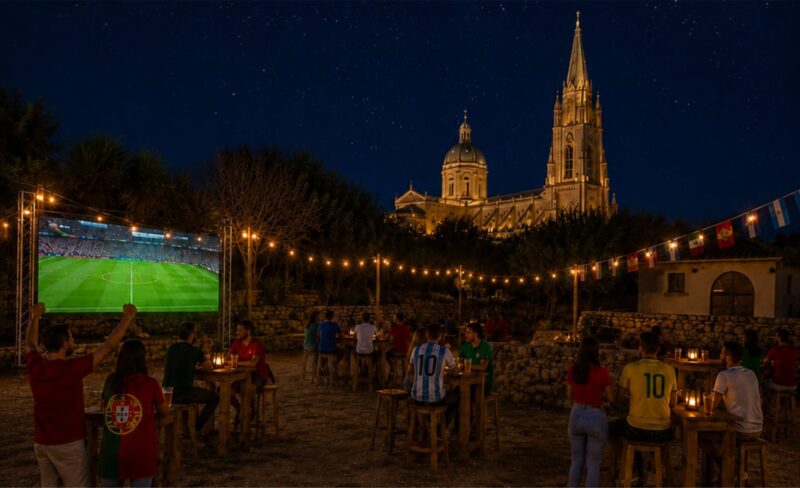
Watch Football Under the Stars at Ta’ Passi Fields, Għajnsielem at World Cup Village Gozo For a few summer weeks
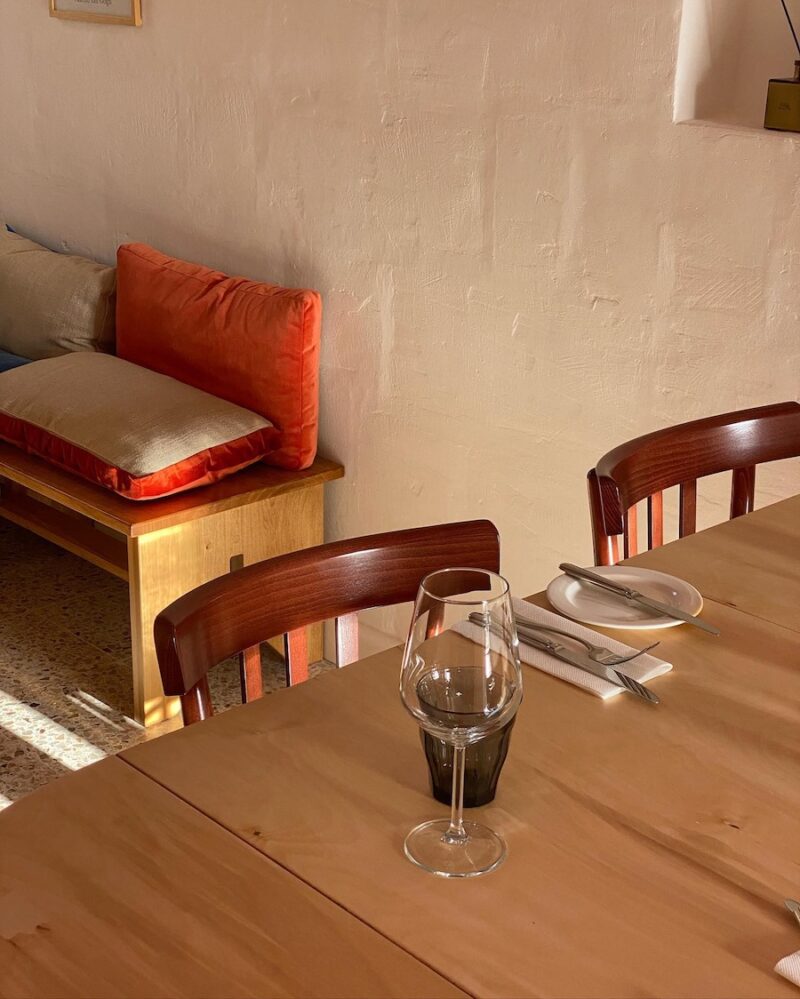
Bold Flavours, Beautiful Produce and One of Gozo’s Best Ceviches Enjoy vegetable-led plates full of colour, texture and creativity at